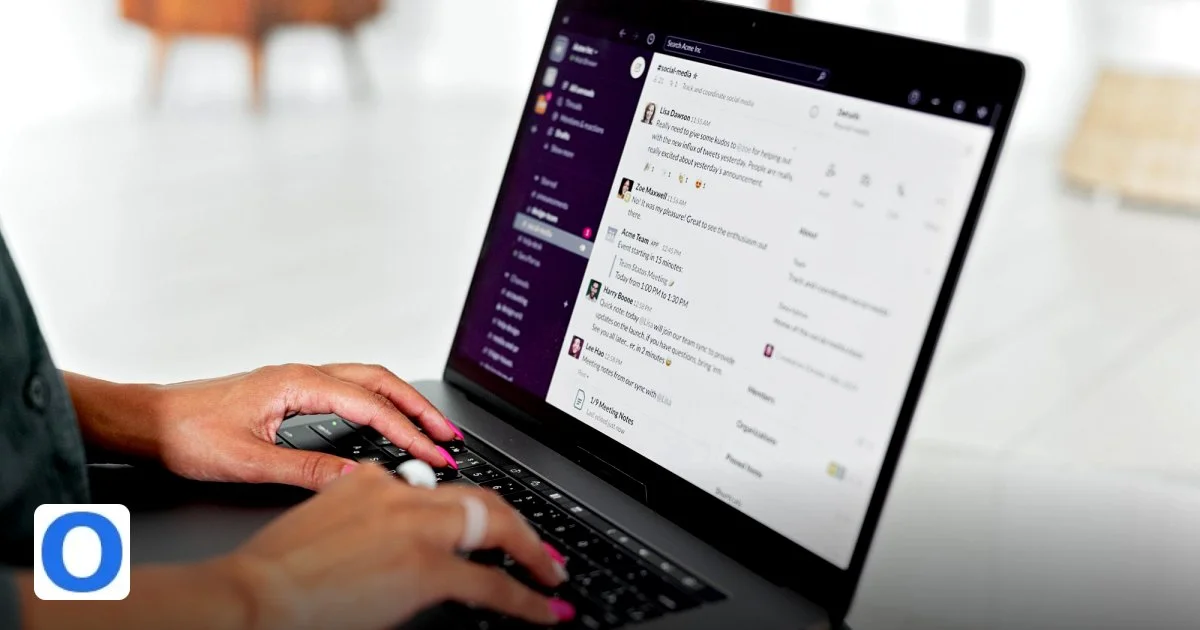
In today’s digital landscape, customers expect swift, personalised responses across every touchpoint. For companies operating in the Gulf Cooperation Council (GCC) markets, delivering a seamless experience through live chat, email, and social media isn’t just a luxury – it’s a competitive imperative. By integrating these channels, businesses can reduce response times, increase satisfaction, and ultimately drive loyalty in a region where online engagement is rapidly growing.
Why Omnichannel Matters for GCC Businesses
The GCC market is characterised by high internet penetration and a mobile-first culture. Consumers here are accustomed to instant communication, often switching between platforms mid‑conversation. An omnichannel strategy ensures that each interaction—whether on WhatsApp, Twitter, or an in‑app chat—flows into a single, coherent view for support agents. This unified perspective eliminates context loss, allowing agents to address issues swiftly and accurately.
Integrating live chat, email, and social media also supports compliance with evolving data‑protection regulations that emphasise transparency and customer consent. By centralising data collection and storage, companies can more easily audit interactions and provide the required disclosures, thereby mitigating legal risk.
From a marketing standpoint, omnichannel touchpoints generate richer insights into customer behaviour. By analysing patterns across channels, firms can identify high‑value segments and tailor messaging, which is especially valuable in GCC markets where cultural nuances influence purchasing decisions. Moreover, consistent branding across channels strengthens trust, a key factor in regions where brand reputation carries significant weight.
Finally, integrating these channels improves operational efficiency. Agents no longer need to juggle separate inboxes; instead, they work from a single dashboard that aggregates chat, email, and social queries. This reduces training overhead, speeds up onboarding, and allows teams to focus on high‑quality customer service rather than administrative burden.
| Channel | Typical Response Time | Customer Preference in GCC |
|---|---|---|
| Live Chat | Within 2 minutes | High |
| Within 24 hours | Moderate | |
| Social Media (e.g. WhatsApp, Twitter) | Within 5 minutes | Very High |
By prioritising these three channels and ensuring they work in harmony, GCC companies can not only meet customer expectations but also unlock new growth opportunities in an increasingly connected marketplace.
Assessing Your Current Communication Stack
Before embarking on an integration journey, conduct a thorough audit of the tools and processes that underpin your current customer support ecosystem. This assessment will reveal gaps, redundancies, and potential pain points that a unified platform can address.
Start by mapping the entire customer journey across all touchpoints. Identify where customers initiate contact, how queries are routed, and what hand‑offs occur. Pay close attention to the hand‑off points between live chat, email, and social media, as these are often the weakest links that erode the customer experience.
Evaluate the technical infrastructure. Determine whether your existing ticketing system, CRM, and analytics tools can interoperate with a third‑party integration layer. Look for APIs, webhooks, and data export capabilities that enable real‑time synchronisation. Where legacy systems lack these features, consider the cost of upgrading or replacing them to achieve true omnichannel functionality.
Consider agent workflows and training needs. Ask your frontline staff whether they feel empowered to access all relevant customer data from a single interface. Gather feedback on current pain points—such as duplicate tickets or delayed email responses—and quantify the impact on response times and resolution rates. This qualitative data, combined with quantitative metrics like average handle time, will form the basis for prioritising integration efforts.
Finally, assess the cultural readiness of your organisation. Integration success hinges on cross‑departmental collaboration; ensure that marketing, sales, and support teams share a common vision for unified customer communication. By aligning technology, process, and people, GCC firms can lay a solid foundation for a smooth, scalable omnichannel deployment.
Choosing the Right Integration Platform
For GCC companies looking to integrate live chat, email & social media, the first step is selecting a platform that can unify disparate channels under a single, cloud‑based umbrella. The ideal solution should support localisation, Arabic language, and the ability to honour the region’s data residency preferences. It must also provide robust APIs for custom extensions and a flexible permission system that can accommodate varying organisational structures.
When evaluating potential platforms, consider the following criteria:
- Channel Coverage – Does the vendor cover the most widely used social networks in the GCC (e.g., Facebook, Twitter, Instagram, LinkedIn, Snapchat) and local messaging apps like WhatsApp Business?
- Automation & Routing – Look for intelligent ticket routing, sentiment analysis and chat‑bot support that can be customised for Arabic dialects.
- Scalability & Reliability – The platform should offer high uptime guarantees and the ability to scale with growing customer volumes during peak periods.
- Compliance & Security – Ensure the solution adheres to ISO 27001, SOC 2 and local data‑protection regulations. Verify that the vendor can store data in a server within the GCC if required.
- Integrations & Extensibility – Native connectors for popular CRMs, help desks and marketing automation tools will reduce the need for bespoke coding.
- Pricing Model – A transparent subscription model with tiered plans based on contact volume rather than a flat fee encourages growth without hidden costs.
Once a shortlist has been created, conduct a proof‑of‑concept using a small segment of your customer base. Observe how well the platform aggregates conversations, how quickly agents can respond, and whether the analytics dashboard provides actionable insights. A platform that meets these criteria will lay the foundation for a seamless omni‑channel experience that can be rolled out across the entire GCC customer base.
Setting Up Live Chat for GCC Customers
Launching live chat in the GCC requires a blend of technical setup and cultural sensitivity. Begin by embedding a chat widget on your website with localisation options: Arabic (RTL) and English. Allow users to switch languages instantly, as many GCC customers are bilingual but prefer to communicate in Arabic for clarity.
Key steps for a smooth rollout include:
- Agent Training – Equip your team with knowledge of local customs, preferred communication styles, and common customer expectations. Training should cover handling greetings in Arabic and recognising local call‑to‑action phrasing.
- Response Time Targets – GCC customers often expect rapid replies. Set a target of under five minutes for first responses and provide automated acknowledgements while the agent is queued.
- Proactive Outreach – Use triggers based on user behaviour (e.g., time spent on a product page) to prompt a chat invitation. This proactive approach is especially effective in markets where customers value prompt assistance.
- Compliance with Local Laws – Verify that the chat logs are stored in accordance with the GCC’s data‑privacy laws. Where required, configure the platform to route data to a regional data centre.
- Analytics & Feedback – Implement post‑chat surveys in both Arabic and English to capture satisfaction metrics. Analyse the data to identify repeat issues and optimise your knowledge base.
- Integration with Email & Social – Ensure that each live chat session can be automatically converted into an email ticket if the issue requires further escalation. Likewise, allow agents to pull in social media conversations, so they can respond from a single interface.
By addressing both technical and cultural dimensions, GCC companies can deploy a live chat solution that not only meets performance expectations but also delivers an experience that resonates with local customers. This foundation will support a broader omni‑channel strategy that brings together email, social media and live chat into a cohesive, customer‑centric platform.
Synchronising Email and Social Media Channels
In the GCC market, customers expect instant, consistent support whether they reach out via email, Twitter, Instagram or WhatsApp. To deliver that, synchronise all inbound messages into a single unified inbox. Start by integrating the email addresses and social media accounts that your brand uses. When a customer sends an enquiry on any platform, the message is automatically pulled into OmniDesk’s central dashboard.
Next, implement threading rules that recognise the same customer across channels. For example, a user who first tweets a question and later emails a follow‑up can have both conversations merged under one ticket ID. This prevents duplicate work and gives agents a 360‑degree view of the customer’s history. Most SaaS platforms use hash identifiers or contact‑matching algorithms; ensure your configuration includes the common GCC contact fields such as mobile number and national ID for higher accuracy.
When synchronisation is complete, agents can reply from the same interface, choosing the channel that best matches the customer’s preference. This “one‑stop‑shop” approach eliminates context loss and reduces response times. To maintain compliance with GCC data‑protection norms, enable end‑to‑end encryption for all transmitted messages and retain logs in accordance with local retention policies.
- Set up automatic channel tagging to colour‑code tickets by origin.
- Use AI‑driven sentiment analysis to prioritise urgent messages.
- Configure auto‑responses that acknowledge receipt across all channels.
Finally, schedule regular audits of your synchronisation settings. Check for gaps such as unlinked social accounts or missed email threads. A quarterly review ensures that new channels or brand extensions are integrated promptly, keeping the customer journey seamless.
Optimising Workflow and Analytics
Once all communications reside in a single pane, the next step is to optimise the workflow that turns inbound messages into resolved tickets. Start with agent routing rules that assign tickets to the right team based on topic, urgency and language. In the GCC, multilingual support is often required; configure rules that route Arabic or English queries to specialists proficient in those languages.
Implement macro templates for common replies. Templates reduce typing time, improve consistency and help maintain brand tone. Combine them with canned responses that can be inserted with a single click, keeping response times under a few minutes—an expectation for GCC consumers.
Workflow automation is critical. Use triggers that automatically update ticket status when certain actions occur—for instance, moving a ticket to “Awaiting Customer” when the agent asks for more information. Automation also frees agents to focus on complex queries while routine follow‑ups are handled by bots or auto‑emails.
| Metric | Target | Why It Matters |
|---|---|---|
| First‑Response Time | Under 2 minutes | Improves customer satisfaction in fast‑paced GCC markets |
| Resolution Time | Under 24 hours | Keeps churn low and boosts brand reputation |
| Customer Satisfaction Score (CSAT) | Varies | Indicator of service quality and loyalty |
| Ticket Volume per Agent | Balanced workload | Prevents burnout and ensures consistent quality |
Analytics should be actionable. Dashboards that break down performance by channel, agent and issue type allow managers to spot bottlenecks instantly. For example, if a spike in social media tickets correlates with a new product launch, you can scale resources accordingly.
- Track sentiment trends to anticipate reputation risks.
- Use cohort analysis to gauge the long‑term impact of support initiatives.
- Leverage predictive analytics to forecast peak periods and staff accordingly.
Regularly review these metrics in team meetings. Celebrate wins and address underperforming areas with targeted training. By coupling efficient workflows with robust analytics, GCC companies can provide timely, personalised support across all channels, turning every customer interaction into a brand‑affirming experience.
Verdict: Unified Customer Support Success
For GCC companies operating in a market where customers expect instant, seamless assistance across multiple channels, a unified approach to live chat, email and social media is no longer optional—it is essential. By consolidating these touch‑points into a single, omnichannel platform, organisations can eliminate silos, reduce response times and deliver a consistently high‑quality experience that builds trust and loyalty.
When support agents work from a shared inbox, every interaction is logged, categorised and made searchable. This means that a conversation that begins on Instagram can be picked up on the next business day via email without the customer having to repeat details. The continuity not only improves first‑contact resolution rates but also frees up valuable agent capacity, allowing teams to focus on more complex queries rather than chasing fragmented information.
From an operational perspective, the benefits are equally compelling. Unified reporting provides a holistic view of volume, sentiment and performance across all channels, enabling managers to spot trends, allocate resources intelligently and fine‑tune service level agreements. Moreover, automation tools such as intelligent routing, canned responses and AI‑driven sentiment analysis can be applied consistently, ensuring that every query receives the appropriate level of attention regardless of its origin.
In the GCC region, where cultural nuances and language preferences can vary significantly, a single platform also supports multilingual capabilities and localisation settings. This ensures that customers receive responses in the language they are most comfortable with, whether they are reaching out via WhatsApp, a corporate email address or a regional social network.
Adopting an integrated solution also future‑proofs your support operation. As new communication channels emerge, they can be added to the existing framework without the need for a costly overhaul. The result is a scalable, resilient support ecosystem that can grow alongside your business.
- Consolidate all inbound messages into one shared inbox.
- Implement consistent tagging and categorisation for easy retrieval.
- Leverage AI‑driven routing to direct queries to the most suitable agent.
- Use unified analytics to monitor performance across chat, email and social media.
- Enable multilingual templates to cater to the diverse GCC audience.
In summary, integrating live chat, email and social media equips GCC companies with the agility, insight and customer‑centricity required to thrive in a highly competitive environment. The payoff is clear: higher satisfaction scores, reduced handling times and a stronger brand reputation that resonates across the region.
Frequently Asked Questions
How do I start integrating live chat with existing email systems?
Begin by selecting a platform that offers native connectors for your email provider, then map key fields like customer ID and conversation thread for seamless hand‑off.
What privacy concerns should GCC companies address?
Ensure that the integration complies with local data protection laws, using encryption for data in transit and at rest, and providing clear opt‑in options for customers.
Can I keep separate branding across channels?
Yes, most platforms allow custom skins per channel, enabling consistent brand voice while catering to channel‑specific design norms.
How do I measure success across all channels?
Track unified metrics such as average resolution time, first‑contact resolution, and customer satisfaction scores aggregated from chat, email and social media.
What is the typical deployment time for this integration?
For most organisations, a fully configured and tested omnichannel setup can be achieved within 4 to 6 weeks, depending on data volume and customisation needs.